- 视频 /
- 音频
-
景点介绍:
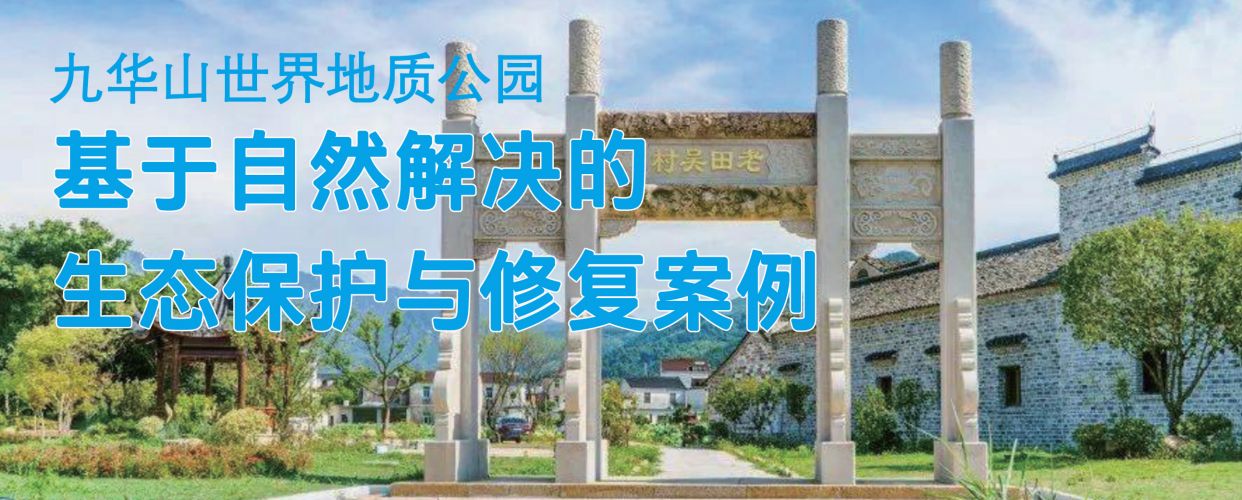
基于自然解决的生态保护与修复案例 以长1.5千米,近3米宽的人工河流玉带河为脉络,构建全流域基于自然的生态解决方案。上游山地实施荒山植被恢复,培育形成茂密次生林,筑牢生态水源涵养屏障;中游农田推行减肥减药绿色耕作模式,打造生态稻田,并创新认领共享福田机制,实现生态价值与经济收益双赢;下游河道穿徽派古村而过,通过雨污分流实现生活污水集中处置,同步开展河道生态修复,配植沉水、挺水植物,提升水生生物多样性。古村落整体修缮活化,植入非遗文化,打造沿河沉浸式文化体验业态,形成流域生态修复与乡村文旅深度融合的示范样板。 A Case Study of Nature-based Ecological Conservation and Restoration Centered on the 1.5-kilometer-long, nearly 3-meter-wide artificial Yudai River (Jade Belt River), a nature-based solution has been implemented across the entire watershed. In the upper reaches, barren hills were revegetated to develop dense secondary forests, reinforcing the water-conserving ecological barrier. In the midstream farmland, a green farming model was adopted—reducing chemical fertilizers and pesticides—to create ecological rice paddies. An innovative “Adopt-a-Blessed-Field” (Futian) shared farming mechanism was introduced, achieving a dual benefit of ecological value and economic returns. In the downstream section, the river flows through a Huizhou-style ancient village. A rainwater-sewage separation system was installed for centralized domestic wastewater treatment, while river ecological restoration was carried out simultaneously. Submerged and emergent aquatic plants were introduced to enhance biodiversity. The ancient village has been holistically renovated and revitalized, with intangible cultural heritage embedded along the river corridor to create immersive cultural experiences. This has formed a demonstration model that deeply integrates watershed ecological restoration with rural cultural tourism. 자연 기반 생태 보호 및 복원 사례 길이 1.5km, 폭 약 3m의 인공하천 옥대하를 중심으로 유역 전체에 자연 기반 해법을 적용하였다. 상류 산지에서는 식생 복원을 통해 울창한 2차림을 조성하여 수원 함양 기능을 강화하였다. 중류 농경지에서는 화학 비료와 농약 사용을 줄이는 친환경 농업을 추진하고, 생태 논을 조성하며 공유형 농지 모델을 도입해 생태 가치와 경제적 수익을 동시에 실현하였다. 하류에서는 하천이 휘파 고촌을 통과하며 생활 오수의 분리 처리와 하천 생태 복원을 병행하고, 수중·수변 식물을 식재하여 수생 생물 다양성을 높였다. 또한 고촌을 전반적으로 정비하고 무형문화유산을 도입하여 하천을 따라 몰입형 문화 체험 공간을 조성함으로써 생태 복원과 농촌 관광의 융합 모델을 구축하였다.
-
评论列表
评论列表
评论列表
评论列表
评论列表
 HOT
HOT
-
 播放 0 次 吉祥松
共 0 个视频
-
 播放 0 次 老田村水口文化
共 0 个视频
-
 播放 0 次 龙池瀑布:裂隙型瀑布
共 0 个视频
-
 播放 0 次 小花台
共 0 个视频